Gum and Bone Disease Therapy in North Austin, TX
Did you know that most people lose teeth from gum disease and not from cavities? Dr. Farahani and her team of hygienists are committed to using all of their expertise in the treatment of your mouth.
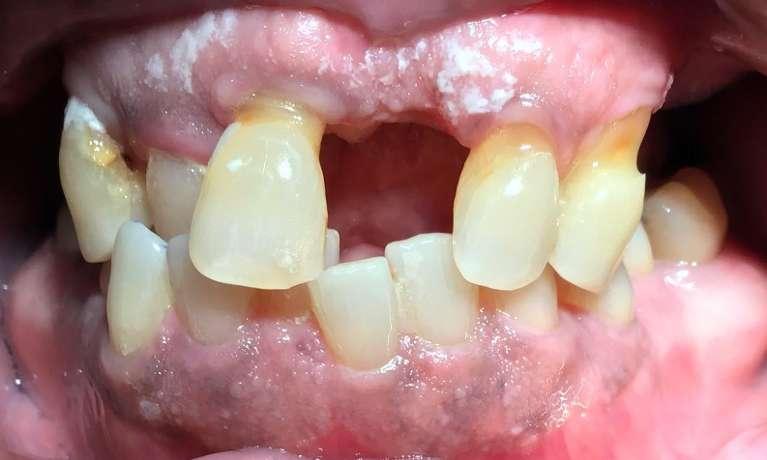
Gum and bone disease is clinically known as periodontal disease. Gum disease is actually a bacterial infection that affects the soft tissues and bone supporting your teeth. These bacterial infections are not just confined to your teeth and mouth since the bacteria may enter your bloodstream and travel to other areas of your body. The infection can also contribute to significant whole-body health problems such as heart disease, diabetes, stroke, cancer, premature and low birth weight babies.
How We Care for Your Gums
During every preventive, continuing-care hygiene visit, our hygienist will measure the level of gum and bone surrounding each tooth. This process is vital since periodontal disease involves the progressive and often painless loss of the alveolar bone around the teeth, which, if left undiagnosed or untreated, can lead to tooth mobility, abscess formation, and eventual tooth loss. These visits are recommended at time intervals based on your bacterial disease.
Symptoms of Periodontal Disease
Since there is not much pain associated with gingivitis, which is the early stage of gum disease, it is essential to know the signs to look for. In addition to maintaining healthy levels of the jawbone, factors that may indicate the early stages of periodontal disease are:
- Swollen and bleeding gums during brushing, flossing, and sometimes even after eating hard foods
- Halitosis (bad breath)
- Receding gums, which make teeth appear elongated
- Sensitivity on exposed root surfaces
There is also a strong risk factor associated with family genetics, which would make a patient more susceptible to dental disease.
Treating Your Gum Disease
Treatment of periodontal disease is addressed with a carefully established treatment plan that typically begins with a test of your saliva. To help Dr. Farahani avoid the use of unnecessary antibiotics, this screening shows her which bacteria are present and how many of those bacteria are living in your mouth. She is able to pinpoint the exact antibiotic that would be effective against your mouth's infection and use the minimal dose required to be therapeutic. With Dr. Farahani's guidance, you may also elect to have us test for an important genetic factor that would show your personal tendency to respond to the bacterial infection. Once this important pre-treatment testing is done, there are usually 2-4 appointments needed to complete the deep scaling and removal of plaque and calculus (tartar) below the gum line. Additionally, an antibiotic solution is flushed deep into the pockets to help destroy any lingering bacteria, Along with your treatment, it may be recommended that you have preliminary restorative dental procedures to eliminate rough
, plaque-retaining, older fillings or crowns which may have outlived their usefulness. Surgery is advised for severe cases of periodontal disease.
Always remember there are varying levels for hygiene care and these other levels need to be part of your conversation with Dr. Farahani, and our hygienists. Doing a "basic cleaning” with active and progressive disease present can be harmful to your body.
You can always contact our office if you would like to learn more. And remember, “it’s not just a cleaning.” It is about removing active harmful bacteria and disease to maintain your whole body wellness!

Frequently Asked Questions
Another way we are different from other offices is that, at Harmony Dental Wellness, we pay attention to saliva. Saliva is a vital component to your oral health! Of course, there are the obvious benefits of lubricating your food and helping you speak, but did you know that saliva does so much more?
Testing For Gum Disease
Your saliva is a fantastic buffer to neutralize the acids made by bacteria and helps prevent cavities and gum disease. Throughout your experience with us, we will monitor your saliva. At your first visit, we measure the quantity and consistency of your saliva and ensure that adequate saliva is being produced from all three major saliva ducts in your mouth. At all hygiene appointments, we measure the pH of your saliva to screen for reflux, buffer capacity (quality) and other possible issues. If periodontal (gum) problems are present, we may recommend salivary testing.
A simple sample of your saliva can tell us what kinds of bacteria live in your mouth and how many of them there are. That means we will know which antibiotic, if any, is best for your mouth. Dr. Farahani always tries to avoid the use of antibiotics unless absolutely necessary and she believes that saliva testing allows her to choose a medication that will be minimally impacting to the rest of the body. Use of the correct antibiotic in conjunction with gum therapy can result in a reduction of your harmful bacterial levels to below your body's reactive threshold levels.
In some situations, we may recommend the use of that same saliva sample to screen for genetic markers or viruses, such as HPV, that would indicate higher risk for you of diseases such as cancer. While most people think of HPV as being related to cervical cancer, it more commonly causes throat cancer.
We are always looking for ways to prevent disease! Call our office if you have any further questions.
Preventative Dentistry at Harmony Dental Wellness
You may have heard rumors that you don't really need to floss. We are here to give you the long and short answer to the confusion.
The short answer is YES, you do need to clean effectively between your teeth!
The longer answer is this: Bacteria in your mouth eat the same food you eat. They digest the food and make acid as their waste product. When bacteria are allowed to stay on your teeth and gums the acid dissolves away the tooth to make a cavity or causes inflammation of the gums to cause gum disease. That's why you need to get those pesky bacteria off of your teeth! There are several ways to effectively clean between your teeth. Classically, it is thought to be best to use floss, but depending on your mouth, you may also be able to use a waterflosser (like a WaterPik), interdental brushes, stimudents or one of many other tools. Floss effectively cleans up to 3mm below the gum line when used properly in a healthy mouth. If you have buildup, bone loss, crooked teeth, deep pockets, missing teeth or other dental conditions, you should definitely check with your dentist (or come see us!) to find out what is best for your mouth. Things change quickly in the mouth so coming back for your regular exam and hygiene visit will ensure that you can hang on to those pearly whites!
We are here to support, not judge, so please don't feel embarrassed to tell us that you don't floss. We can help!
Call to Schedule to Book a Preventative Dentistry Appointment in Austin!
Maintaining good oral health is extremely important and the best way to do that is to schedule regular visits to your dentist. Call Harmony Dental Wellness in Austin, TX today!
Of course we do! Dr. Farahani uses virtual dental appointments to reduce the number of times patients need to come to the office. Using either photographs or video chats, Dr. Farahani is able to help answer questions or give guidance to patients. This is especially useful for patients going through Invisalign clear aligner therapy. Where as we usually see these patients every 6 weeks, we can reduce those visits to every 10 weeks or even longer between visits! Feel free to ask if Virtual Care is right for you.
Meet Our Doctor:
Sheila Farahani DDS, FAACA
Principal Dentist
If you are a new patient with us, let me welcome you and tell you a bit about me. My path to dentistry was winding, but each step along the path provided a foundation for the unique dental practice that we have created here in Austin.
I studied biochemistry as an undergraduate at the University of Washington and went on to post graduate study in coral reef biology before earning a Master's in Teaching degree. I taught high school chemistry and biology for a few years but was frustrated with the red tape ...